
India: A Guide for Safe Travel and Health Preparedness
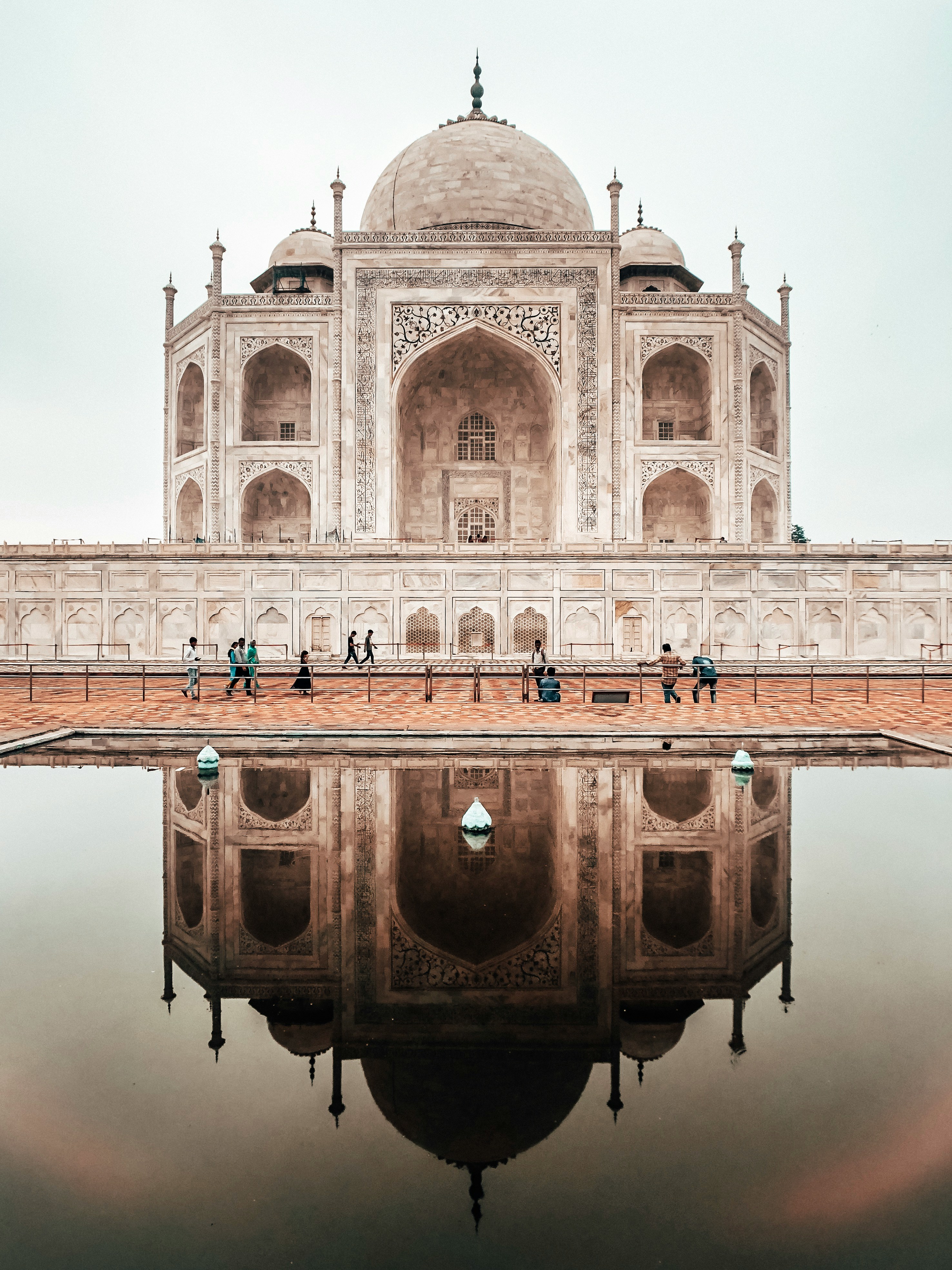
India is a vibrant and diverse destination, known for its rich history, cultural landmarks, and scenic landscapes. From the majestic Taj Mahal to the tranquil backwaters of Kerala, the country offers something for every traveller.
Travelling to
India
?
Recommended Vaccinations for India Travellers
When travelling to India, the following vaccinations are commonly recommended:
1. Hepatitis A
Risk: Spread through contaminated food or water.
Recommendation: All travellers should consider vaccination, particularly if dining in rural areas or street markets.
2. Typhoid
Risk: Also transmitted via contaminated food and water.
Recommendation: Particularly important for those staying in smaller towns or rural regions.
3. Tetanus
Risk: Bacteria from soil or cuts during activities like hiking.
Recommendation: Ensure your tetanus vaccination is up to date.
4. Hepatitis B
Risk: Spread through blood and bodily fluids, often via medical or dental procedures.
Recommendation: Consider vaccination, especially for longer stays or those engaging in high-risk activities.
5. Rabies
Risk: Present in stray dogs, bats, and other animals.
Recommendation: Pre-exposure vaccination is advised for those spending time in rural areas or working with animals.
6. Japanese Encephalitis
Risk: Transmitted by mosquitoes in rural and farming areas.
Recommendation: Vaccination may be necessary for long stays in rural zones or during the monsoon season.
7. Cholera
Risk: Associated with contaminated water and poor hygiene.
Recommendation: Consider oral vaccination if travelling to areas with active outbreaks.
Managing India’s Health Risks
Malaria
Risk Areas: Regions like Odisha, Assam, and certain districts in Andhra Pradesh and Madhya Pradesh.
Prevention: Anti-malarial tablets and rigorous bite prevention.
Tips: Use DEET-based insect repellent, wear long clothing, and sleep under mosquito nets.
Dengue Fever
Risk Areas: Found in urban and rural areas.
Prevention: Daytime mosquito avoidance with protective clothing and repellent.
Altitude Sickness
Risk Areas: High-altitude regions like Leh (3,514m).
Tips: Ascend gradually, stay hydrated, and consider medications like acetazolamide if necessary.
Food and Water Safety in India
To avoid food and water-borne illnesses like Hepatitis A and Typhoid, follow these guidelines:
Drink Safely: Stick to bottled or boiled water; avoid ice cubes made from tap water.
Eat Safely: Opt for freshly cooked, hot meals and avoid raw vegetables unless washed in clean water.
Hand Hygiene: Use hand sanitisers frequently.
Travel Health Kit Essentials
Pack a comprehensive travel health kit, including:
Prescription medications.
First-aid supplies (plasters, antiseptics, etc.).
Insect repellent and sunscreen.
Anti-diarrhoeal and pain relief medications.
Booking Your Travel Health Consultation
At Three Counties Travel Clinic, we offer:
Personalised travel health consultations.
A full range of vaccinations, including those required for India.
Advice on mosquito-borne illnesses, altitude sickness, and other health risks.
Ensure you’re well-prepared for your Indian adventure by booking your consultation with us today. Visit our website for online booking and further travel health advice.
How to Book Your Vaccine
1
Book Online
Schedule your appointment on our website for added convenience

2
Call to Book
Prefer to speak to someone? Call us, and our team will assist you with your booking.
3
Visit Our Clinic
Arrive at our Farnborough location, and our NaTHNaC-certified team will administer your vaccine and provide you with an official Yellow Fever certificate for international travel.